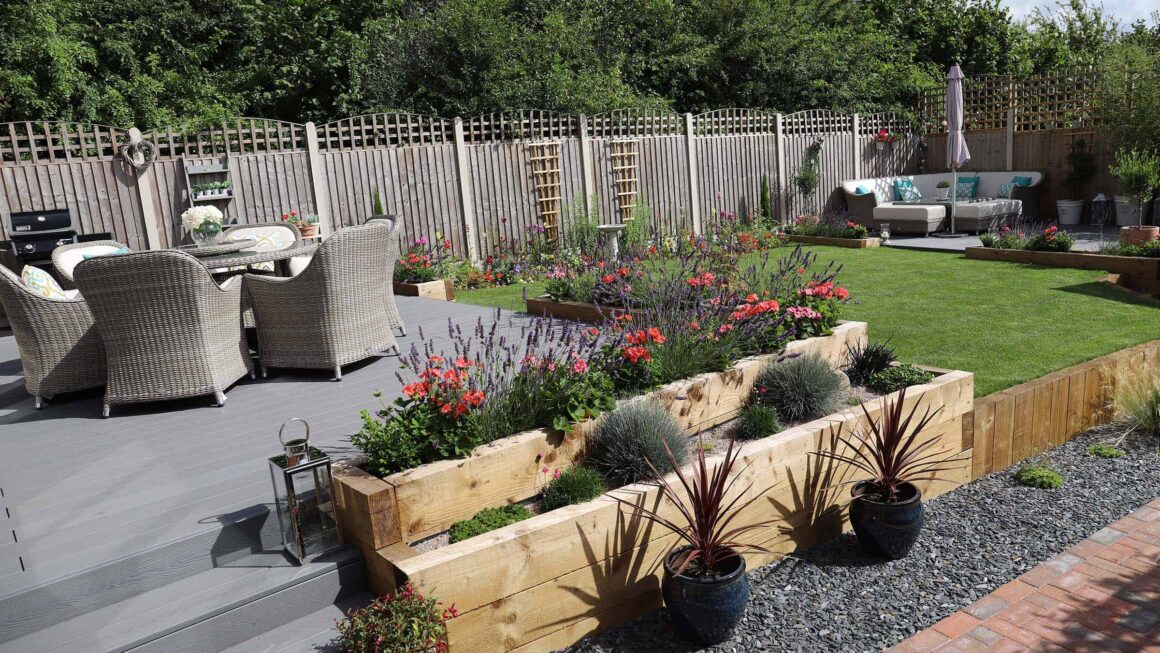
Introduction:
When considering decking materials for outdoor spaces, it’s crucial to account for factors such as climate, lifestyle, and how the deck will be used. Whether you’re planning to create a cozy space for relaxation or a large entertainment area, choosing the right deck material is key to ensuring durability, comfort, and aesthetics. The best deck material for your space will depend on where you live and how often you plan to maintain your deck. Let’s explore some of the top decking options and understand which one is best for your outdoor needs.
Body:
Wood Decking: A Timeless Classic
Wood decking is one of the most popular and traditional choices for outdoor spaces. Known for its natural beauty, warmth, and ability to blend seamlessly with garden landscapes, wood remains a top contender for creating stunning outdoor decks. The rich texture and color of natural wood help bring a rustic charm that synthetic materials often can’t replicate. Here are the key pros and cons:
Pros:
- Aesthetic Appeal: Wood provides a natural, earthy look that can complement almost any outdoor space.
- Variety of Options: There are several types of wood decking available, including cedar, redwood, and pressure-treated pine, each offering a unique look and feel.
- Customizable: Wood decks can be stained, painted, or left natural, allowing you to create the exact finish you desire.
Cons:
- Maintenance: One of the biggest challenges with wood decking is its maintenance. It requires regular cleaning, staining, and sealing to protect it from the elements, especially in regions with extreme weather conditions.
- Vulnerable to Weather: While wood performs well in calm, cool climates, it can deteriorate quickly when exposed to harsh sunlight, rain, or snow. It may also be susceptible to moisture, leading to rot or warping.
Composite Decking: Low Maintenance & Eco-Friendly
Co;mposite decking has risen in popularity in recent years due to its combination of durability, low maintenance, and eco-friendly properties. Made from a blend of wood fibers and plastic, composite decking offers the look of wood without the upkeep. Here’s why composite decking could be the ideal deck material for your outdoor space:
Pros:
- Low Maintenance: Unlike wood, composite decking doesn’t require regular sealing or staining. It only needs occasional cleaning with soap and water to maintain its appearance.
- Durability: Composite decks are resistant to moisture, fading, and staining. They don’t splinter, crack, or warp like wood, making them perfect for families with pets or children.
- Eco-Friendly: Many composite decking products are made from recycled materials, making them an environmentally friendly option for those looking to reduce their carbon footprint.
Cons:
- Initial Cost: Composite decking is typically more expensive than wood decking. However, the reduced maintenance costs may make up for the initial investment over time.
- Heat Retention: Composite decking tends to absorb more heat than wood, which could make it uncomfortable to walk on in hot climates.
PVC Decking: The Ultimate Low-Maintenance Solution
If you’re looking for a deck material that can withstand even the harshest of outdoor conditions with minimal care, PVC decking is an excellent option. Made entirely from synthetic materials, PVC decking is designed to handle extreme temperatures, moisture, and insects without the need for ongoing maintenance.
Pros:
- Weather Resistance: PVC decking is immune to moisture, insects, and decay. This makes it perfect for areas that experience high humidity, rain, or snow.
- Long-Lasting: Unlike wood and composite, PVC decking doesn’t fade, warp, or crack, ensuring your deck will remain looking new for years.
- No Maintenance: PVC decks require virtually no maintenance. There’s no need for sealing, staining, or painting, making it a hassle-free option for homeowners.
Cons:
- Appearance: Some people find that PVC decking lacks the natural appearance of wood. Although modern PVC boards are designed to look more like wood, the texture and color may not appeal to everyone.
- Price: PVC decking tends to be one of the more expensive decking options available, but its longevity and minimal maintenance can justify the cost over time.
Conclusion: Choosing the Best Deck Material for Your Outdoor Space
When choosing the best deck material for your outdoor space, it’s essential to take into account the climate, how much maintenance you’re willing to do, and your personal aesthetic preferences. Here’s a quick guide to help you make an informed decision:
- Wood Decking: Best suited for cool climates and homeowners who enjoy regular upkeep. Ideal if you’re looking for a traditional, natural look.
- Composite Decking: A great choice for those who want a low-maintenance, eco-friendly option with a wide variety of designs. Perfect for areas exposed to moisture or extreme temperatures.
- PVC Decking: Ideal for severe weather conditions and homeowners who want a completely maintenance-free solution. Great for hot, humid, or rainy climates where durability is crucial.
In conclusion, the ideal deck material depends on your specific needs. Consider the local climate, level of maintenance you are willing to commit to, and the look you want to achieve when making your decision. Whether you opt for wood, composite, or PVC, each material offers unique benefits, ensuring you can create the perfect outdoor space for your lifestyle.
21: Composite Decking vs Wood: Which Material Wins?
Introduction:
When it comes to building or renovating a deck, choosing the right material is essential for both aesthetic appeal and long-term performance. Among the most popular choices are composite decking and wood, each with its own set of benefits and challenges. This article will provide an in-depth comparison between these two materials, focusing on their pros, cons, and suitability for different homeowners. By the end, you’ll have the information you need to decide which deck material best fits your lifestyle and needs.
Wood Decking: Classic Charm with a Natural Touch
Wood decking has been a traditional choice for homeowners due to its natural beauty and timeless appeal. It’s the material that most people think of when imagining a deck, providing warmth, texture, and a classic look that blends well with almost any outdoor space.
Pros:
- Natural Beauty and Classic Look: Wood offers a rich, earthy aesthetic that many homeowners love. It can be customized with stains or paints, allowing you to match your deck to your home’s style.
- Customizability: Wood can be shaped, stained, and painted to meet your preferences. If you’re looking for a unique design or color, wood gives you that flexibility.
- Variety of Wood Types: From pressure-treated pine to exotic hardwoods like teak or mahogany, wood comes in a variety of types, each offering its own set of characteristics and durability.
Cons:
- High Maintenance: Wood requires frequent upkeep, including sanding, sealing, and staining to keep it looking its best. Over time, wood can weather, crack, or splinter if not properly maintained.
- Prone to Pests and Weathering: Wood decks are susceptible to rot, mold, and insect infestations, especially if exposed to moisture for prolonged periods.
- Shorter Lifespan: If not properly cared for, a wood deck can deteriorate faster than composite options, leading to potential replacement sooner than expected.
Best for: Homeowners who appreciate the beauty of natural wood and are willing to dedicate time and effort to maintain their deck. If you enjoy DIY projects or don’t mind regular maintenance, wood might be the right choice for you.
Composite Decking: Low Maintenance, Long-Lasting Performance
Composite decking is a modern solution made from a combination of wood fibers and plastic, engineered to provide a durable, low-maintenance alternative to traditional wood. It’s quickly gaining popularity due to its convenience and longevity.
Pros:
- Low Maintenance: One of the biggest advantages of composite decking is that it requires minimal upkeep. Unlike wood, it doesn’t need sanding, sealing, or staining. A simple wash with soap and water is usually enough to keep it looking good.
- Durability: Composite decking is resistant to rot, mold, and mildew, making it ideal for areas with high humidity or rain. It’s also insect-proof, so you don’t need to worry about termites or other pests.
- Long Lifespan: Composite decks are designed to last longer than traditional wood, often coming with warranties of 20 years or more. They don’t warp or splinter like wood, ensuring a smooth surface for years to come.
- Environmentally Friendly: Many composite deck materials are made from recycled materials, making them a more eco-conscious option.
Cons:
- Higher Upfront Cost: Composite decking tends to have a higher initial price tag compared to wood, which can be a barrier for some homeowners.
- Less Natural Look: While composite materials have come a long way in terms of appearance, they still don’t perfectly replicate the natural beauty of real wood. The textures and finishes may look a bit artificial.
- Limited Customization: Composite decks are typically offered in pre-made colors and designs, limiting your ability to customize the look to your exact preferences.
Best for: Homeowners looking for a hassle-free, long-lasting solution that doesn’t require frequent maintenance. If you’re seeking a durable, cost-effective decking material that will stand the test of time, composite decking could be the ideal option.
Conclusion: Which Deck Material is Right for You?
Deciding between wood and composite decking depends on what you value most for your outdoor space. Here’s a quick guide to help you make your decision:
- Choose Wood if you love the classic beauty of natural wood and are prepared to invest time in maintenance. Wood offers a customizable, aesthetically pleasing deck with a rich, traditional feel.
- Choose Composite if you’re looking for a low-maintenance, long-lasting deck that requires minimal upkeep. Composite decking is perfect for those who want a deck that stands up to the elements and lasts for many years without the hassle of regular maintenance.
No matter which material you choose, both options have their unique benefits and can provide the perfect space for outdoor entertaining or relaxation. The key is to consider your long-term needs and budget when selecting the best deck material for your home.
By understanding the strengths and weaknesses of wood and composite decking, you’ll be able to make a more informed choice, ensuring that your new deck fits seamlessly into your lifestyle.